Our Location
304 North Cardinal St.
Dorchester Center, MA 02124

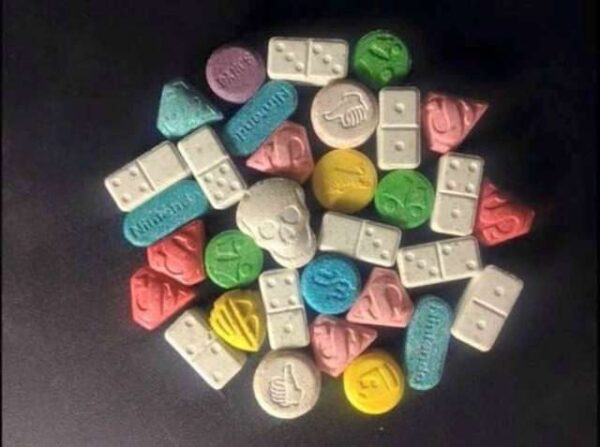
Price range: € 200,00 through € 2.100,00
An objective analysis of the chemical composition, adulterants, and regional terminology surrounding MDMA variants in Europe and the United Kingdom.
Understanding the distinction between various street names is a primary focus of public health efforts across Europe. Although the terms are frequently used interchangeably in popular culture, evaluating ecstasy vs molly reveals significant differences in physical form, chemical purity, and predictability.
At the core of both substances is 3,4-methylenedioxymethamphetamine (MDMA), a synthetic compound classified under synthetic entactogens.
Molly: This term typically refers to the substance in a crystalline or powder form. It is often marketed as a purer alternative containing only the main chemical composition of molly.
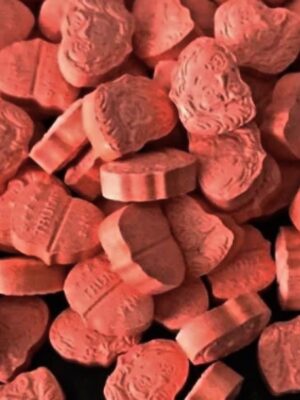
Ecstasy: Conversely, this term generally describes the substance when compressed into oral tablets, often colloquially referred to as XTC.
Despite marketing claims suggesting that one form is inherently safer than the other, forensic analysis consistently demonstrates that both forms are highly susceptible to contamination during illicit manufacturing.
When comparing crystals vs pressed pills, the primary hazard stems from unpredictability. Pressed tablets frequently contain a wide array of ecstasy pill adulterants, ranging from inert binders to dangerous stimulants like methamphetamine, caffeine, or synthetic cathinones.
While crystalline powder is often perceived to be unadulterated, samples seized across Europe show that illicit manufacturing impurities and bulking agents are equally common in powder forms. Consequently, the presence of the actual active ingredients in XTC varies drastically between individual batches.
The prevalence and composition of these synthetic substances vary significantly by region, prompting different localized harm-reduction responses.
In the jurisdictions of the MDMA UK market and ecstasy Dublin, health agencies frequently issue alerts regarding high-potency tablets. Over the past decade, the average dosage of MDMA found in pressed pills has doubled, significantly increasing the risk of accidental toxicity and severe medical emergencies.
In major European entertainment centers, regional terminology reflects local drug trends:
Germany and Spain: In party destinations like ecstasy Berlin and MDMA Ibiza, local initiatives emphasize the dangers of unpredictable dosing. Similarly, across broader networks in MDMA Germany and ecstasy Spain, public health officials monitor hospital admissions to track emerging adulterants.
The Netherlands, France, and Belgium: The manufacturing of synthetic entactogens is heavily concentrated in Western Europe, particularly impacting markets like XTC Netherlands and molly Amsterdam. In transit and consumption hubs such as molly Paris and across molly Europe, forensic monitoring is vital to identifying lethal batches before they circulate widely.
Because visual inspection cannot determine the contents of a powder or tablet, public health organizations heavily emphasize objective chemical testing. For a Comprehensive Guide to Recognizing MDMA Tablets you can click on the link below for more info, visit; https://euromedspharmacy.com/ecstasy-pill-identification-a-comprehensive-guide-to-recognizing-mdma-tablets/
Basic field testing frequently relies on Marquis reagent testing. This colorimetric test reacts to the presence of specific chemical structures, allowing users to verify if an entactogen is present. However, presumptive field tests cannot measure purity or detect highly potent adulterants like fentanyl or novel synthetic opioids.
Because field tests have inherent limitations, comprehensive molly purity testing performed by dedicated laboratory facilities remains the most reliable method for identifying harmful contaminants and exact dosage levels.
Pressed tablets frequently contain synthetic stimulants, such as caffeine, amphetamines, or novel cathinones (bath salts). In some instances, highly potent synthetic opioids have been detected, which substantially increases the risk of a fatal overdose.
No. While crystalline forms are marketed as pure MDMA, they are regularly mixed with lookalike chemical powders or bulking agents during the distribution process. Both forms carry equivalent risks of adulteration.
In nations like the Netherlands and Switzerland, state-sanctioned services allow individuals to submit samples anonymously for laboratory analysis. The service provides accurate information on strength and ingredients to prevent harm and monitor the illicit market for dangerous anomalies.
In conclusion, analyzing ecstasy vs molly highlights that the primary distinction lies in marketing and physical form rather than safety. Whether encountering pressed tablets or crystalline powders, the illicit nature of these substances ensures that purity remains entirely unpredictable. Recognizing regional trends and utilizing advanced testing methods are essential components of modern public health and harm-reduction strategies across Europe.
This product belongs to our Stimulant Category, where you can explore similar medications for stimulation
| Quantity | 20, 50, 100, 300 |
|---|
Reviews
There are no reviews yet.