Our Location
304 North Cardinal St.
Dorchester Center, MA 02124

Stimulant medications are commonly associated with the management of conditions related to focus, attention, and alertness. They act on the central nervous system to increase certain neurotransmitter activity, helping improve concentration and mental clarity. stimulant medications in Europe
Commonly referenced stimulant medications include:
These medications are typically considered within structured treatment plans, particularly for conditions such as ADHD and related focus disorders.
Across Europe, stimulant medications are handled within regulated healthcare systems. Key principles include:
Each country may have different regulations, but the focus remains on safe and responsible use.
In Spain, stimulant medications are generally prescribed following proper evaluation. Treatment often combines medication with behavioral or cognitive support strategies.
Belgium emphasizes patient-focused care, where stimulant medications are used alongside structured treatment plans tailored to individual needs.
The Netherlands follows a structured healthcare approach, with clear pathways for diagnosis and treatment. Stimulant medications are used with monitoring and ongoing evaluation.
In countries such as Cyprus, Ireland, and Switzerland, stimulant medications are approached through:
These countries maintain high healthcare standards, with stimulant medications used in regulated and supervised environments.
In Bulgaria and Ukraine, awareness and access to stimulant-based treatments continue to develop. Individuals are encouraged to rely on accurate information and professional guidance.
While your focus is Europe, some users search globally. In countries like France and New Zealand, stimulant medications are also managed through regulated systems, with emphasis on safe prescribing and monitoring.
Stimulants increase the activity of certain neurotransmitters in the brain, particularly those linked to:
This can help improve concentration and reduce symptoms of inattention or impulsivity in structured treatment settings.
Stimulant medications should always be considered within appropriate guidance. Key points include:
For individuals researching stimulant medications in Europe, privacy and discretion are important. Many platforms ensure:
They are commonly associated with improving focus, attention, and cognitive function in structured treatment plans.
Yes, but availability and prescribing practices vary by country and are regulated.
They increase neurotransmitter activity in the brain, supporting attention and alertness.
Yes, including amphetamine-based and methylphenidate-based medications.
Yes, stimulant medications should be used under appropriate supervision to ensure safety and effectiveness.
Stimulant medications in Europe play an important role in structured treatment approaches for attention and focus-related conditions. With availability across countries such as Spain, Belgium, the Netherlands, and beyond, individuals are encouraged to rely on accurate information and responsible guidance.
Showing all 6 results


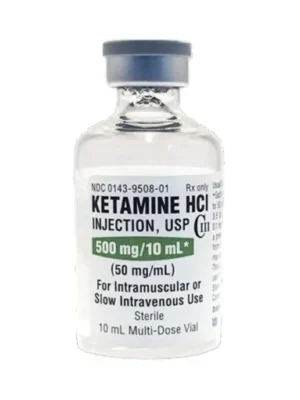

Stimulant medications are commonly associated with the management of conditions related to focus, attention, and alertness. They act on the central nervous system to increase certain neurotransmitter activity, helping improve concentration and mental clarity. stimulant medications in Europe
Commonly referenced stimulant medications include:
These medications are typically considered within structured treatment plans, particularly for conditions such as ADHD and related focus disorders.
Across Europe, stimulant medications are handled within regulated healthcare systems. Key principles include:
Each country may have different regulations, but the focus remains on safe and responsible use.
In Spain, stimulant medications are generally prescribed following proper evaluation. Treatment often combines medication with behavioral or cognitive support strategies.
Belgium emphasizes patient-focused care, where stimulant medications are used alongside structured treatment plans tailored to individual needs.
The Netherlands follows a structured healthcare approach, with clear pathways for diagnosis and treatment. Stimulant medications are used with monitoring and ongoing evaluation.
In countries such as Cyprus, Ireland, and Switzerland, stimulant medications are approached through:
These countries maintain high healthcare standards, with stimulant medications used in regulated and supervised environments.
In Bulgaria and Ukraine, awareness and access to stimulant-based treatments continue to develop. Individuals are encouraged to rely on accurate information and professional guidance.
While your focus is Europe, some users search globally. In countries like France and New Zealand, stimulant medications are also managed through regulated systems, with emphasis on safe prescribing and monitoring.
Stimulants increase the activity of certain neurotransmitters in the brain, particularly those linked to:
This can help improve concentration and reduce symptoms of inattention or impulsivity in structured treatment settings.
Stimulant medications should always be considered within appropriate guidance. Key points include:
For individuals researching stimulant medications in Europe, privacy and discretion are important. Many platforms ensure:
They are commonly associated with improving focus, attention, and cognitive function in structured treatment plans.
Yes, but availability and prescribing practices vary by country and are regulated.
They increase neurotransmitter activity in the brain, supporting attention and alertness.
Yes, including amphetamine-based and methylphenidate-based medications.
Yes, stimulant medications should be used under appropriate supervision to ensure safety and effectiveness.
Stimulant medications in Europe play an important role in structured treatment approaches for attention and focus-related conditions. With availability across countries such as Spain, Belgium, the Netherlands, and beyond, individuals are encouraged to rely on accurate information and responsible guidance.