Onze Locatie
304 Noord Kardinaal Straat.
Dorchester Center, MA 02124
 Ga naar de inhoud
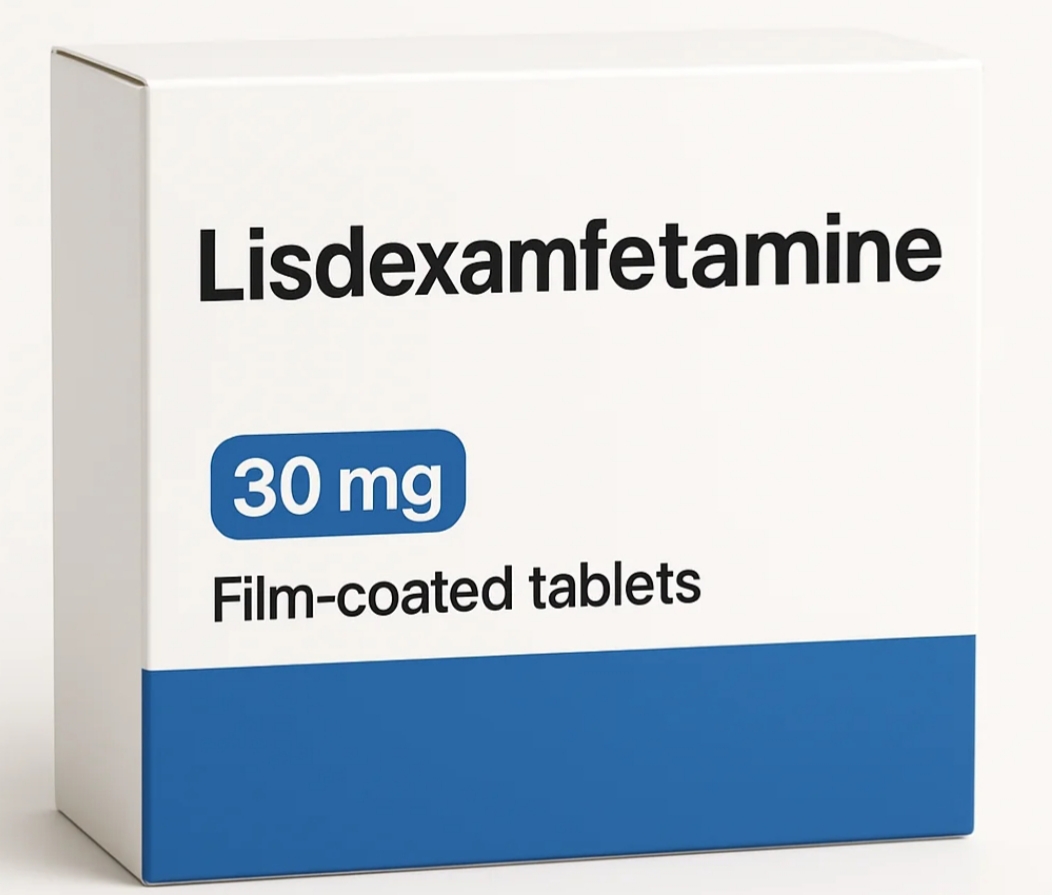
Lisdexamfetamine travel Europe questions have become increasingly common as more adults and children receive treatment for ADHD across European countries. While lisdexamfetamine, often prescribed under the brand name Elvanse, remains an approved ADHD medication in many parts of Europe, travelers must understand local regulations before crossing borders. Different countries apply different rules regarding controlled medications, prescription documentation, and permitted quantities.
Therefore, preparing before departure helps prevent unnecessary delays, customs complications, or interruptions to treatment. Whether you are planning a business trip, family holiday, study programme, or long-term stay, understanding the legal status of ADHD medication throughout Europe remains essential.
Lisdexamfetamine belongs to a class of prescription stimulant medications used to treat Attention Deficit Hyperactivity Disorder. Healthcare professionals prescribe the medication to improve attention, reduce impulsivity, and support daily functioning.
Across Europe, ADHD diagnosis and treatment continue to increase. Consequently, prescriptions for Elvanse and other stimulant medications have become more common in countries such as Germany, France, Spain, Italy, Portugal, Belgium, Ireland, Sweden, Austria, and the Netherlands.
Although many European healthcare systems recognise lisdexamfetamine as an approved treatment option, legal requirements differ significantly from one country to another. Therefore, travelers should never assume regulations remain identical throughout Europe.
In general, lisdexamfetamine remains legal when prescribed by a licensed healthcare professional. Nevertheless, legality does not automatically mean unrestricted transport between countries.
Several European nations classify stimulant medications as controlled substances. As a result, authorities often require supporting documentation during international travel.
Countries where ADHD medications such as Elvanse are commonly prescribed include:
Despite broad acceptance, customs requirements vary. Therefore, travelers should review the specific entry requirements of every destination before departure.
Traveling with ADHD medication requires careful preparation.
First, always carry medication in its original pharmacy packaging. Original packaging helps customs officers identify the medication and verify prescription information.
Second, bring a copy of your prescription. The prescription should clearly display:
Third, obtain a doctor’s letter whenever possible. Many healthcare providers prepare travel letters explaining the diagnosis and treatment plan.
Additionally, keep all medication in your carry-on luggage. This approach reduces the risk of loss and ensures continuous access during travel.
Patients researching traveling with ADHD medication often overlook documentation requirements. Yet proper paperwork frequently determines whether customs inspections proceed smoothly.
Many travelers visit multiple countries during a single trip. Therefore, understanding Schengen Area requirements becomes particularly important.
The Schengen Area includes numerous European countries that allow passport-free travel between member states. Despite simplified border movement, controlled medication regulations still apply.
For certain controlled medicines, travelers may need additional documentation when carrying supplies beyond short-term personal use.
The official European Union guidance regarding medicine transport provides valuable information for travelers moving between member countries. Information is available through the European Commission:
https://europa.eu/youreurope/citizens/health/index_en.htm
Checking requirements before departure helps prevent unexpected complications during customs inspections.
Documentation requirements vary according to destination and duration of stay.
Most travelers benefit from carrying:
An up-to-date prescription remains one of the most important travel documents.
A signed letter explaining treatment details often supports smoother customs clearance.
The pharmacy label should match the traveler’s identification documents.
Customs authorities frequently compare prescription information with passport details.
Travelers should carry enough medication for the duration of the trip while remaining within destination country regulations.
Individuals planning extended stays in Spain, France, Germany, Italy, Malta, Cyprus, Greece, Croatia, or Poland should confirm local requirements well before departure.
Several avoidable mistakes create unnecessary difficulties.
Unlabelled medication often creates questions during inspections.
Outdated documentation may fail to satisfy customs requirements.
Lost baggage creates treatment interruptions and significant inconvenience.
Requirements differ across Europe. Therefore, researching local laws remains essential.
Authorities may question unusually large medication supplies.
By avoiding these common mistakes, travelers significantly reduce the likelihood of complications during international travel.
Travelers frequently search for information regarding ADHD medication regulations in specific countries.
France permits prescribed ADHD medications, although supporting documentation remains strongly recommended.
Germany generally allows personal supplies of prescribed stimulant medication accompanied by proper documentation.
Spanish authorities often expect travelers to carry medication in original packaging with prescription details.
Italian regulations generally support personal medical use when supported by appropriate documentation.
The Netherlands maintains regulations regarding controlled substances, making prescription records particularly important.
Travelers entering Ireland benefit from carrying both prescription documentation and a physician’s letter.
Since regulations evolve over time, travelers should verify requirements directly through official government or embassy resources before travel.
Regulations change periodically. Therefore, travelers should consult official sources before departure.
The International Narcotics Control Board provides guidance regarding controlled medications carried during international travel:
https://www.incb.org/incb/en/travellers/index.html
Official embassy websites, healthcare authorities, and customs agencies also provide country-specific requirements.
Relying on official sources helps travelers avoid outdated information and unnecessary travel disruptions.
Successful travel with ADHD medication begins weeks before departure.
Patients should:
These simple steps help maintain treatment continuity while reducing travel-related stress.
Lisdexamfetamine travel Europe regulations differ between countries, yet most European destinations permit personal use when supported by valid medical documentation. Travelers who prepare carefully, carry proper paperwork, and review country-specific requirements generally experience smooth journeys without treatment interruptions.
Whether you are travelling to France, Germany, Spain, Italy, Ireland, Belgium, Portugal, Sweden, Austria, or the Netherlands, understanding ADHD medication regulations before departure remains one of the most important parts of travel planning. Proper preparation protects both your treatment plan and your overall travel experience.
 Optimized by Seraphinite Accelerator