Onze Locatie
304 Noord Kardinaal Straat.
Dorchester Center, MA 02124
 Ga naar de inhoud
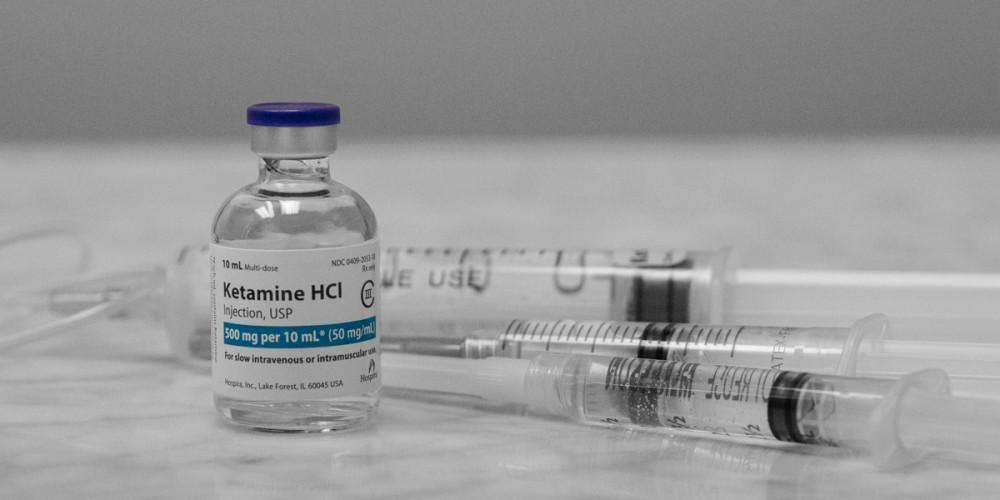
Ketamine Safety is one of the most important topics for patients researching ketamine treatment, ketamine side effects, and ketamine risks. As interest in ketamine continues to grow throughout the United Kingdom, Canada, Germany, Belgium, and the United States, patients increasingly seek trustworthy information regarding safety concerns, treatment precautions, and professional supervision requirements.
Ketamine has served healthcare professionals for decades as an anesthetic medication used in hospitals and clinical environments. Researchers have also studied ketamine within specialist-supervised treatment settings. While ketamine offers valuable medical applications, every prescription medication carries risks and requires careful evaluation by qualified healthcare professionals.
Understanding ketamine safety helps patients recognize potential side effects, appreciate the importance of clinical monitoring, and avoid common misconceptions surrounding ketamine treatment.
Strong Word: Essential
Understanding medication safety is essential before considering any treatment option.
Emphasized Word: Awareness
Awareness supports informed healthcare decisions and patient wellbeing.
Before discussing ketamine dangers and safety considerations, patients benefit from understanding why healthcare professionals use ketamine.
Ketamine remains an established medication within modern medicine. Healthcare providers administer ketamine in carefully controlled settings for purposes such as:
• Surgical anesthesia
• Emergency medicine
• Pain management programs
• Specialist-supervised treatment settings
• Clinical research initiatives
Healthcare professionals evaluate every patient individually before recommending treatment. Medical history, existing conditions, treatment objectives, and current medications all influence clinical decision-making.
Reliable healthcare information regarding medicines and patient safety is available through the World Health Organization:
Strong Word: Trusted
Trusted healthcare guidance helps patients understand treatment options more clearly.
Emphasized Word: Evaluation
Evaluation supports safer treatment planning and better patient outcomes.
One of the most frequently discussed aspects of ketamine safety involves side effects. While healthcare professionals monitor patients carefully during treatment, understanding possible reactions remains important.
Common ketamine side effects include:
• Dizziness
• Nausea
• Fatigue
• Temporary confusion
• Changes in perception
• Increased heart rate
• Blurred vision
These effects vary between individuals. Factors such as health status, treatment setting, and clinical circumstances influence how patients respond.
Most side effects occur during treatment or shortly afterward. Healthcare professionals observe patients closely and provide appropriate support when necessary.
Strong Word: Prepared
Prepared patients often feel more comfortable discussing treatment options with healthcare providers.
Emphasized Word: Monitoring
Monitoring helps identify and manage side effects appropriately.
Patients often search online for information about ketamine dangers. Understanding risk factors helps create realistic expectations and encourages responsible healthcare discussions.
Potential risks associated with ketamine include:
• Cardiovascular effects
• Temporary cognitive changes
• Psychological reactions
• Medication interactions
• Complications related to underlying health conditions
• Misuse outside professional supervision
Risk levels differ from patient to patient. Healthcare providers assess these factors carefully before making treatment recommendations.
Information found through searches such as “Ketamine online” should never replace professional medical advice. Clinical evaluation remains the most reliable way to determine treatment suitability.
Strong Word: Responsible
Responsible healthcare decisions begin with professional guidance and accurate information.
Emphasized Word: Individualized
Individualized treatment planning reflects each patient’s unique healthcare needs.
Contraindications refer to situations where healthcare professionals may determine a treatment is unsuitable or requires extra precautions.
Healthcare providers often pay close attention to patients with:
• Certain cardiovascular conditions
• Uncontrolled hypertension
• Specific psychiatric conditions
• Complex medication regimens
• Previous adverse medication reactions
• Substance misuse concerns
These considerations do not automatically exclude treatment. Instead, they highlight areas requiring careful assessment and clinical judgment.
Healthcare professionals review a patient’s complete health profile before recommending any treatment plan.
Strong Word: Thorough
Thorough patient assessment helps reduce avoidable risks.
Emphasized Word: Screening
Screening supports safer healthcare decision-making.
Medical supervision forms the foundation of ketamine safety. Professional oversight helps healthcare providers identify risks, monitor treatment progress, and respond appropriately to patient needs.
Healthcare teams typically provide:
• Pre-treatment evaluation
• Treatment planning
• Vital sign monitoring
• Patient observation
• Follow-up care
These measures help ensure patient safety throughout the treatment process.
Many people focus primarily on the medication itself. Equally important is the structured clinical environment in which healthcare professionals administer and monitor treatment.
Strong Word: Protective
Protective healthcare measures support patient wellbeing during treatment.
Emphasized Word: Supervision
Supervision remains one of the most important elements of ketamine safety.
Healthcare regulations differ between countries, yet patient protection remains a common goal.
Healthcare authorities throughout the United Kingdom, United States, Canada, Germany, and Belgium establish standards regarding:
• Prescription medicines
• Clinical oversight
• Healthcare facility requirements
• Medication safety
These regulations help maintain high standards of care and support responsible healthcare practices.
Patients should always seek guidance from qualified healthcare professionals operating within applicable healthcare regulations.
Information regarding medicines and healthcare regulation throughout Europe is available through the European Medicines Agency:
Strong Word: Consistent
Consistent healthcare standards support patient trust and treatment quality.
Emphasized Word: Compliance
Compliance with healthcare regulations protects patients and providers alike.
Public discussions often include misconceptions regarding ketamine treatment and ketamine risks.
Misconception 1: Ketamine is completely risk free.
Reality: Every prescription medication carries potential risks and side effects.
Misconception 2: Online research provides all necessary information.
Reality: Professional consultation remains essential for individualized healthcare decisions.
Misconception 3: Side effects affect everyone equally.
Reality: Individual responses vary based on health status and treatment circumstances.
Misconception 4: Medical monitoring serves a minor role.
Reality: Monitoring plays a major role in patient safety and treatment quality.
Misconception 5: Treatment suitability depends solely on patient preference.
Reality: Healthcare professionals evaluate medical factors before recommending treatment.
Strong Word: Accurate
Accurate information reduces confusion and supports informed choices.
Emphasized Word: Understanding
Understanding helps patients engage more effectively with healthcare providers.
Patients benefit from preparing questions before discussing treatment with healthcare professionals.
Important questions include:
• What risks apply to my situation?
• What side effects should I expect?
• How will treatment be monitored?
• What health conditions require special consideration?
• What alternatives exist?
• What follow-up care will be provided?
• How will safety be evaluated throughout treatment?
These discussions encourage transparency and help patients participate actively in healthcare decisions.
Strong Word: Informed
Informed patients often feel more confident during healthcare discussions.
Emphasized Word: Communication
Communication strengthens the partnership between patients and healthcare professionals.
Patients seeking information about ketamine treatment should focus on reputable healthcare resources and professional guidance.
Recommended practices include:
• Consulting qualified healthcare professionals
• Reviewing evidence-based information
• Following treatment instructions carefully
• Reporting side effects promptly
• Attending follow-up appointments
• Asking questions whenever concerns arise
Reliable healthcare information supports safer and more productive treatment discussions.
Readers seeking additional patient-focused healthcare guidance can review resources provided by the National Health Service:
Strong Word: Knowledgeable
Knowledgeable patients often make more informed healthcare decisions.
Emphasized Word: Confidence
Confidence grows when patients understand treatment risks and safety measures.
Ketamine safety depends on careful assessment, professional supervision, patient education, and ongoing monitoring. While ketamine remains an important medication within modern healthcare, treatment decisions require thoughtful evaluation of benefits, risks, side effects, and contraindications.
Patients in the United Kingdom, Canada, Germany, Belgium, the United States, and other regions benefit from seeking information through reputable healthcare organizations and qualified medical professionals. Understanding ketamine side effects, ketamine dangers, and safety precautions helps create realistic expectations and supports responsible healthcare decision-making.
The safest approach involves evidence-based information, open communication with healthcare providers, and a commitment to following professional medical guidance throughout the treatment process.
External Links
Ketamine Safety, Ketamine side effects, Ketamine dangers, Ketamine risks, Ketamine online, ketamine treatment safety, patient safety, medication safety, prescription medicine, healthcare information, ketamine precautions, clinical supervision, treatment monitoring, healthcare education, ketamine research, anesthesia medicine, patient guidance, healthcare Europe, healthcare USA, informed healthcare decisions
 Optimized by Seraphinite Accelerator