
Onze Locatie
304 Noord Kardinaal Straat.
Dorchester Center, MA 02124
 Ga naar de inhoud
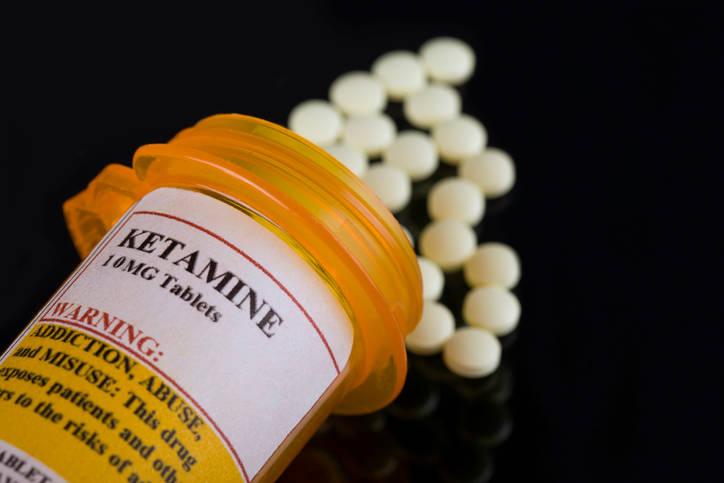
Ketamine is a medication that has been used in hospitals since the 1960s. Originally developed as an anesthetic, it remains widely used in medical settings around the world. In recent years, researchers have also examined its potential role in treating certain mental health conditions under professional supervision. How ketamine works is very important aspect which is not supposed to be neglected.
Understanding how ketamine works helps patients, caregivers, and healthcare professionals make informed decisions based on evidence and medical guidance.
Ketamine is a dissociative anesthetic medication used by healthcare professionals for anesthesia, sedation, and pain management in specific clinical settings. Its unique properties distinguish it from many other anesthetic medications.
The medicine affects communication pathways within the brain. These effects contribute to both its anesthetic properties and the outcomes researchers continue to investigate in mental health and pain management.
Ketamine primarily acts on a receptor in the brain known as the N-methyl-D-aspartate (NMDA) receptor. This receptor plays an important role in learning, memory, and communication between nerve cells.
When ketamine blocks NMDA receptors, brain signaling changes. Researchers believe these changes influence the release of neurotransmitters and alter the activity of neural networks involved in perception, mood, and pain processing.
Strong Word: Significant
One significant aspect of ketamine is its rapid effect on certain brain pathways compared with many traditional treatments studied for mental health conditions.
Emphasized Word: Important
An important point is that ketamine’s effects involve multiple brain systems rather than a single pathway.
Glutamate is one of the brain’s most abundant neurotransmitters. Ketamine’s interaction with NMDA receptors affects glutamate signaling.
Scientists believe this process contributes to changes in neural connections and communication between brain cells. Ongoing studies continue to examine how these changes relate to therapeutic outcomes in clinical settings.
Healthcare professionals use ketamine for several medical purposes, and people need to wow ketamine works which includes:
Ketamine remains an established anesthetic used in surgeries and emergency medicine. Its ability to maintain breathing reflexes in some situations has contributed to its long-standing clinical value.
In selected cases, healthcare professionals use ketamine as part of pain management strategies, particularly when conventional approaches are not sufficient.
Researchers have studied ketamine in controlled clinical environments for conditions such as treatment-resistant depression. These uses require professional evaluation, monitoring, and individualized treatment planning.
For current information about ketamine research, readers can consult the National Institute of Mental Health:
https://www.nimh.nih.gov
The onset of ketamine’s effects depends on factors such as dosage, method of administration, and clinical purpose.
In anesthetic settings, effects often begin rapidly. In research involving mental health applications, investigators have observed changes occurring more quickly than with some conventional approaches. Researchers continue to study these findings to better understand long-term outcomes and safety considerations.
Additional information about approved medicines and safety monitoring is available through:
https://www.ema.europa.eu
Like all medications, ketamine carries risks and requires appropriate medical oversight.
Possible side effects may include:
• Dizziness
• Nausea
• Increased blood pressure
• Altered perception
• Confusion
• Sedation
Not every individual experiences the same effects. Healthcare professionals evaluate medical history, current medications, and treatment goals before determining whether ketamine is appropriate.
Reliable medicine information is also available through:
https://medlineplus.gov
Researchers continue to investigate ketamine’s effects on brain function, mood regulation, and chronic pain. Studies are exploring how ketamine influences neural plasticity, which refers to the brain’s ability to adapt and form new connections.
Scientific organizations and academic institutions continue to publish new findings that help improve understanding of both benefits and risks.
Readers interested in evidence-based research can explore:
https://www.who.int
Ketamine Works primarily by affecting NMDA receptors and glutamate signaling within the brain. These actions influence neural communication and contribute to its anesthetic and other clinically studied effects.
While ketamine has important medical applications, its use should always occur under appropriate medical supervision. Ongoing research continues to expand scientific understanding of how ketamine affects the brain and how healthcare professionals may use it safely and effectively in clinical practice.
 Optimized by Seraphinite Accelerator