Onze Locatie
304 Noord Kardinaal Straat.
Dorchester Center, MA 02124

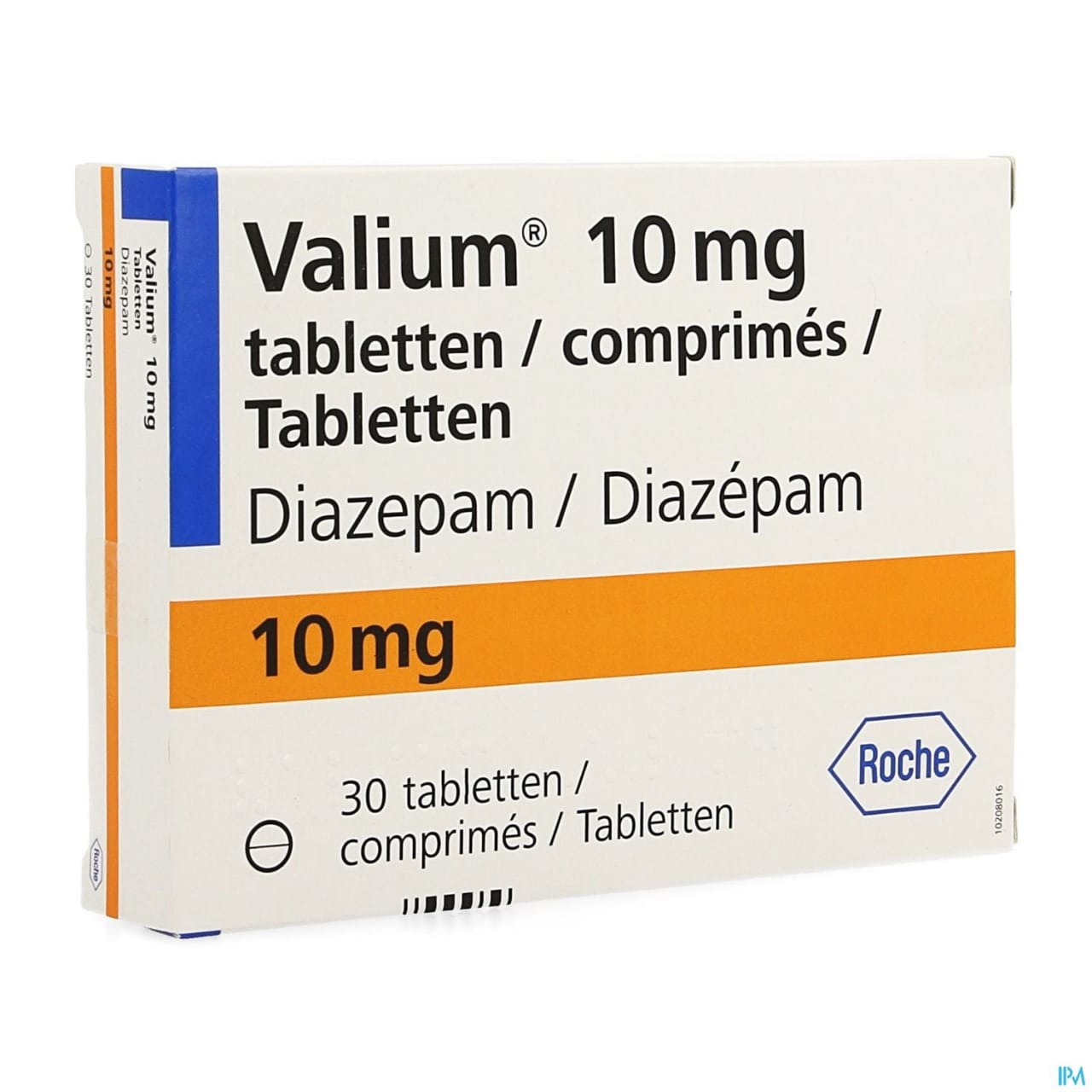
Diazepam Valium remains one of the most widely prescribed medications for anxiety disorders, muscle spasms, seizure management, and alcohol withdrawal treatment. Healthcare professionals throughout Europe prescribe Diazepam Valium for short-term treatment because of its calming effect on the central nervous system. Understanding how this medication works, its potential side effects, recommended dosage, and important safety precautions helps patients make informed decisions alongside their healthcare provider.
Whether you are researching diazepam dosage for anxiety, comparing Valium vs Xanax, or learning about diazepam withdrawal symptoms, this guide provides reliable information based on established medical knowledge.
Valium is the brand name for diazepam, a medication belonging to the benzodiazepine class. It increases the activity of gamma-aminobutyric acid, commonly known as GABA, which helps reduce excessive brain activity.
Doctors prescribe diazepam for several medical conditions, including:
• Anxiety disorders
• Acute panic symptoms
• Muscle spasms
• Certain seizure disorders
• Alcohol withdrawal symptoms
• Sedation before selected medical procedures
Because diazepam acts quickly, healthcare professionals often prescribe it for short-term symptom relief while exploring long-term treatment options when appropriate.
The appropriate diazepam dosage for anxiety varies according to the patient’s age, medical history, symptom severity, and response to treatment.
Healthcare providers usually begin with the lowest effective dose before making adjustments based on individual needs.
Patients should never:
• Increase the prescribed dose independently
• Share medication with others
• Stop treatment suddenly after extended use
• Combine diazepam with other sedatives without medical advice
Following the prescribed treatment plan helps reduce the likelihood of unwanted side effects and dependence.
Like all prescription medicines, diazepam carries the possibility of side effects. Most people tolerate treatment well when following medical guidance.
Common diazepam side effects include:
• Drowsiness
• Fatigue
• Dizziness
• Reduced concentration
• Muscle weakness
• Slower reaction times
Less common side effects include mood changes, confusion, memory difficulties, or problems with coordination.
Patients experiencing severe reactions, breathing difficulties, allergic symptoms, or unusual behavioural changes should seek immediate medical attention.
Healthcare professionals carefully balance the benefits and risks before recommending diazepam treatment.
Many patients compare Valium vs Xanax when discussing anxiety treatment.
Although both belong to the benzodiazepine family, important differences exist.
Valium:
• Longer duration of action
• Slower elimination from the body
• Frequently prescribed for muscle spasms and alcohol withdrawal
• Available in several dosage strengths
• Faster onset for many patients
• Shorter duration of action
• Commonly prescribed for panic disorder and anxiety
The most appropriate medication depends on individual medical needs rather than one medicine being universally better than another.
Healthcare providers consider several factors before recommending treatment.
One of the most frequently asked questions concerns how long does diazepam stay in your system.
Diazepam has a relatively long half-life compared with many other benzodiazepines. In addition, its active metabolites remain in the body for an extended period.
Several factors influence elimination, including:
• Age
• Liver function
• Overall health
• Treatment duration
• Individual metabolism
Even after the calming effects have worn off, traces of diazepam and its metabolites remain detectable for varying periods depending on the testing method used.
Patients should always follow medical advice regarding driving, operating machinery, or consuming other medications during treatment.
Stopping diazepam abruptly after prolonged use increases the likelihood of withdrawal symptoms.
Possible diazepam withdrawal symptoms include:
• Increased anxiety
• Restlessness
• Sleep disturbances
• Irritability
• Sweating
• Tremors
• Difficulty concentrating
In more severe cases, withdrawal leads to serious complications requiring urgent medical care.
For this reason, healthcare professionals often recommend gradually reducing the dose under medical supervision rather than stopping treatment suddenly.
A structured tapering plan helps minimise withdrawal effects while supporting patient safety.
Patients should understand diazepam interactions with alcohol before beginning treatment.
Alcohol and diazepam both depress the central nervous system. Combining them significantly increases the risk of:
• Excessive drowsiness
• Poor coordination
• Slowed breathing
• Impaired judgement
• Serious medical complications
Diazepam also interacts with several prescription medicines, sleep medications, opioid pain medicines, and certain antidepressants.
Patients should provide healthcare professionals with a complete list of medications and supplements before starting treatment.
Many patients ask about generic Valium price when comparing treatment options.
Generic diazepam contains the same active ingredient as the original brand medication and must meet established quality standards before approval.
Pricing varies according to:
• Country
• Pharmacy
• Prescription requirements
• Tablet strength
• Package quantity
Patients purchasing medication through licensed pharmacies receive products manufactured under strict pharmaceutical regulations, providing greater confidence in quality and authenticity.
Responsible medication use plays an essential role in successful treatment.
Patients should always:
• Take medication exactly as prescribed
• Attend scheduled follow-up appointments
• Store medication securely
• Avoid sharing prescriptions
• Inform healthcare providers about new medications
• Discuss any concerning side effects promptly
These simple steps support both treatment effectiveness and patient safety.
For trusted information about diazepam and medicine safety, visit the European Medicines Agency at https://www.ema.europa.eu.
Additional clinical guidance is available from the World Health Organization at https://www.who.int.
Diazepam Valium continues to play an important role in treating anxiety disorders, muscle spasms, seizures, and alcohol withdrawal when prescribed appropriately. Learning about diazepam side effects, dosage recommendations, withdrawal symptoms, medication interactions, and proper use helps patients participate actively in their treatment.
Patients should always follow professional medical advice, avoid changing their dosage independently, and obtain medication only through licensed healthcare providers. Responsible use, regular medical reviews, and open communication with healthcare professionals support safer treatment and better long-term outcomes.
