
Onze Locatie
304 Noord Kardinaal Straat.
Dorchester Center, MA 02124

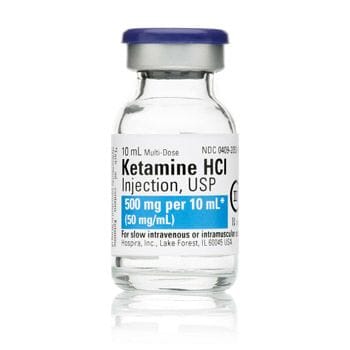
Ketamine vs Traditional Anesthetics remains an important topic in modern medicine because healthcare professionals choose anesthetic medications based on patient needs, clinical goals, and safety considerations. Understanding these differences helps patients better appreciate why ketamine continues to play a significant role alongside traditional anesthetic agents.
Many people searching for information about Ketamine Europe, Europe Ketamine, What is Ketamine, and Ketamine uses want clear answers about how ketamine compares with more conventional anesthesia medications. Although all anesthetics aim to support patient care during medical procedures, ketamine works differently from many traditional options.
Strong Word: Important
Understanding anesthetic differences is important for informed healthcare discussions.
Emphasized Word: Knowledge
Knowledge helps patients better understand modern treatment approaches.
Before comparing ketamine with traditional anesthetics, patients should understand the answer to a common question: What is Ketamine?
Ketamine is a prescription anesthetic medication developed for medical use in surgical and emergency care settings. Healthcare professionals have relied on ketamine for decades because of its unique pharmacological properties.
Unlike many conventional anesthetics, ketamine primarily influences NMDA receptors within the brain. Through this mechanism, ketamine produces anesthetic and dissociative effects while helping maintain certain protective physiological functions.
Healthcare professionals continue using ketamine in:
• Surgical anesthesia
• Emergency medicine
• Trauma care
• Pain management programs
• Specialist-supervised treatment settings
For information regarding essential medicines and healthcare standards, readers can consult the World Health Organization:
Strong Word: Established
Established medical use supports ketamine’s continuing role in healthcare.
Emphasized Word: Function
Function determines how medications influence the body during treatment.
Traditional anesthetics represent a broad group of medications used to induce anesthesia, sedation, or unconsciousness during medical procedures.
Common traditional anesthetics include agents used in:
• General anesthesia
• Procedural sedation
• Surgical care
• Intensive care settings
Many traditional anesthetic medications primarily affect GABA receptors within the nervous system. These medications often reduce brain activity and promote sedation through mechanisms different from ketamine.
Because anesthetic medications act through different pathways, healthcare professionals evaluate each patient’s circumstances carefully before selecting the most appropriate option.
Strong Word: Reliable
Reliable anesthetic agents help support modern surgical and medical care.
Emphasized Word: Selection
Selection of an anesthetic depends on clinical goals and patient needs.
One of the most significant differences between ketamine and traditional anesthetics involves how they affect the brain and nervous system.
Ketamine primarily acts on NMDA receptor pathways. Traditional anesthetics often work through GABA-related pathways.
These differences influence:
• Patient response
• Sedation characteristics
• Pain management effects
• Recovery experiences
• Clinical applications
Healthcare professionals consider these factors when determining which anesthetic approach best aligns with treatment objectives.
Because ketamine works differently, clinicians sometimes choose it for situations where maintaining cardiovascular stability or respiratory function is particularly important.
Strong Word: Distinct
Distinct mechanisms help explain why ketamine occupies a unique position in medicine.
Emphasized Word: Difference
Difference in mechanism influences treatment decisions across healthcare settings.
Ketamine uses extend beyond traditional operating room environments. Throughout Europe, healthcare providers continue relying on ketamine in several important areas.
Common applications include:
• Emergency medicine
• Surgical anesthesia
• Pediatric care
• Pain management programs
• Specialist-supervised treatment settings
Healthcare professionals appreciate ketamine because its pharmacological profile supports flexibility across a variety of clinical circumstances.
Patients researching Ketamine Europe often encounter discussions regarding both established medical uses and ongoing scientific research.
Strong Word: Versatile
Versatile medications often provide healthcare professionals with valuable treatment options.
Emphasized Word: Application
Application depends on patient characteristics and treatment objectives.
Ketamine offers several characteristics that distinguish it from many traditional anesthetics.
Healthcare professionals may consider ketamine advantageous in situations involving:
• Emergency care
• Trauma treatment
• Resource-limited environments
• Certain pediatric procedures
• Cases requiring maintenance of protective reflexes
One frequently discussed advantage involves ketamine’s tendency to preserve respiratory function more effectively than some traditional anesthetic medications.
Additionally, ketamine’s cardiovascular profile may make it useful in selected clinical situations where maintaining blood pressure is an important consideration.
These factors help explain why ketamine continues to play a meaningful role in modern healthcare systems.
Strong Word: Valuable
Valuable clinical characteristics contribute to ketamine’s ongoing relevance.
Emphasized Word: Stability
Stability remains an important consideration during anesthesia planning.
Although ketamine offers unique advantages, traditional anesthetics continue to serve as the preferred option in many circumstances.
Healthcare professionals often select traditional anesthetics when treatment goals involve:
• Deep anesthesia requirements
• Specific surgical protocols
• Individual patient considerations
• Established procedural pathways
No single anesthetic medication fits every situation. Instead, healthcare professionals evaluate the complete clinical picture before making recommendations.
This individualized approach helps support patient safety and treatment effectiveness.
Strong Word: Comprehensive
Comprehensive evaluation supports better clinical decision-making.
Emphasized Word: Individualization
Individualization remains central to modern patient care.
Safety represents an essential component of every anesthesia decision.
Both ketamine and traditional anesthetics carry potential side effects, risks, and monitoring requirements. Healthcare providers assess these factors before treatment begins.
Common considerations include:
• Current medications
• Cardiovascular health
• Respiratory function
• Procedure type
• Monitoring requirements
Professional supervision remains critical regardless of the anesthetic selected.
Patients should remember that healthcare professionals receive extensive training regarding medication selection, patient monitoring, and risk management.
Information regarding medicines and healthcare regulation throughout Europe is available through the European Medicines Agency:
Strong Word: Protective
Protective healthcare measures help reduce treatment-related risks.
Emphasized Word: Supervision
Supervision supports patient safety throughout medical procedures.
Patients often benefit from understanding the factors healthcare professionals consider during treatment planning.
Useful questions include:
• Why was a specific anesthetic selected?
• What benefits and risks should be considered?
• How will monitoring occur during treatment?
• What recovery expectations should be discussed?
• What alternative options exist?
Open communication helps patients feel informed and confident during medical decision-making.
Patients searching online for information about Ketamine online resources should prioritize reputable healthcare organizations and professional medical advice over informal sources.
Strong Word: Informed
Informed patients often engage more effectively in healthcare discussions.
Emphasized Word: Communication
Communication strengthens trust between patients and healthcare providers.
Ketamine vs Traditional Anesthetics remains an important comparison because each option serves valuable roles within modern medicine. Ketamine differs from many traditional anesthetic medications through its mechanism of action, clinical applications, and unique pharmacological profile.
Healthcare professionals across Europe continue relying on ketamine for anesthesia, emergency medicine, trauma care, and other specialist-supervised settings. At the same time, traditional anesthetics remain indispensable in countless medical procedures.
The most appropriate anesthetic depends on patient needs, clinical objectives, safety considerations, and professional judgment. Understanding these differences helps patients gain a clearer perspective on modern anesthesia practices and encourages productive conversations with qualified healthcare professionals.
Ketamine Europe, Europe Ketamine, What is Ketamine, Ketamine uses, Ketamine online, ketamine anesthesia, traditional anesthetics, anesthesia comparison, medical anesthesia, healthcare Europe
For more information about this topic, you can visit our website on https://euromedspharmacy.com/
