
Our Location
304 North Cardinal St.
Dorchester Center, MA 02124

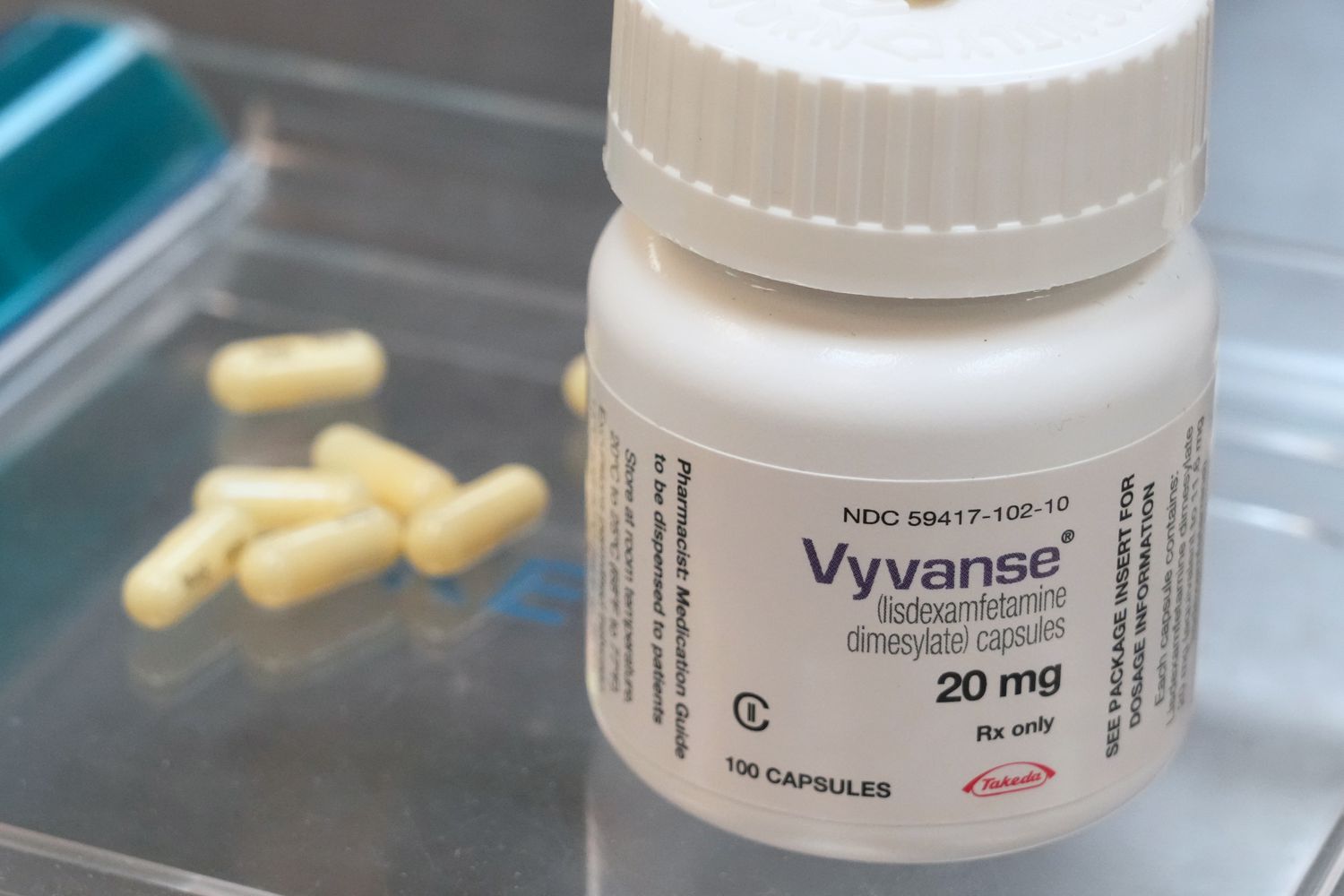
Attention Deficit Hyperactivity Disorder affects millions of people worldwide, and choosing the right medication often plays a major role in symptom management. When discussing ADHD treatment options, the comparison between Vyvanse vs Adderall appears frequently. Both medications help improve focus, attention, and impulse control. Yet important differences exist in how they work, how long they last, and who benefits most from each option.
If you are exploring treatment options or researching ADHD medications through a trusted pharmacy source, understanding these differences helps support informed healthcare decisions.
Vyvanse and Adderall belong to a class of medications known as central nervous system stimulants. Healthcare professionals often prescribe them for ADHD treatment. While both medications improve concentration and reduce hyperactivity, their formulations differ significantly.
Vyvanse contains lisdexamfetamine, a prodrug that converts into its active form after digestion. This process creates a gradual release effect.
Adderall contains mixed amphetamine salts that become active shortly after administration. As a result, users often notice effects more quickly.
According to the official information published by the U.S. Food and Drug Administration, both medications have established roles in ADHD treatment when prescribed appropriately.
One of the most important differences involves how each medication enters the bloodstream.
Because Vyvanse requires metabolic conversion before activation, the medication produces a smoother onset. Many patients report fewer fluctuations throughout the day. Consequently, some individuals experience more consistent symptom control.
Adderall acts faster because the active ingredients enter circulation directly. Therefore, patients often feel the effects sooner after taking a dose.
When evaluating Vyvanse vs Adderall, healthcare providers frequently consider daily schedules, symptom patterns, and treatment goals before recommending either option.
Vyvanse dosage varies depending on age, response, and clinical assessment. Healthcare providers often begin with a lower dose and adjust gradually.
Common strengths include:
Many patients appreciate the extended duration of Vyvanse. In most cases, symptom control lasts up to 14 hours. Therefore, fewer additional doses are required during the day.
By comparison, Adderall exists in immediate-release and extended-release formulations. Immediate-release versions often require multiple daily doses, while extended-release options provide longer symptom coverage.
Although ADHD represents the primary indication, Vyvanse uses extend beyond attention deficit hyperactivity disorder.
Healthcare professionals also prescribe Vyvanse for moderate to severe binge eating disorder in adults. This additional indication distinguishes Vyvanse from many other ADHD medications.
Meanwhile, Adderall also treats narcolepsy in certain cases. As a result, treatment selection often depends on the patient’s complete medical profile.
Some readers searching for Vyvanse online or researching Vyvanse in Malta frequently seek information regarding these approved uses before discussing options with healthcare professionals.
Like all prescription medications, both treatments carry potential side effects.
Common Vyvanse side effects include:
Common Adderall side effects include:
Because both medications contain amphetamine-based ingredients, patients require ongoing monitoring during treatment.
The National Institute for Health and Care Excellence (NICE) provides evidence-based guidance regarding ADHD assessment, monitoring, and medication management across the United Kingdom.
Patients throughout Europe often encounter differences in product availability.
For example, some regions offer Vyvanse under alternative brand names. In several European countries, healthcare providers prescribe Elvanse, which contains the same active ingredient as Vyvanse.
Individuals researching Vyvanse in Malta, France, Germany, Spain, or other European countries should always consult local healthcare regulations and prescribing requirements.
No universal answer exists because treatment outcomes differ from person to person.
Vyvanse often appeals to patients seeking:
Adderall often appeals to patients seeking:
Therefore, healthcare professionals evaluate medical history, symptom severity, lifestyle factors, and treatment response before making recommendations.
Many people researching ADHD treatments also encounter discussions about other prescription medications, including ketamine for treatment-resistant mental health conditions. Although ketamine serves a completely different therapeutic purpose, its increasing visibility highlights the growing interest in modern psychiatric treatment options. Patients should always discuss any medication decisions with qualified healthcare professionals.
Reliable healthcare information plays a vital role when comparing treatment options. Whether you are researching Vyvanse dosage, Vyvanse uses, Adderall, or broader ADHD treatment strategies, trustworthy guidance helps support safer decisions.
At Euromeds Pharmacy, we believe informed patients achieve better healthcare outcomes. Our educational resources aim to provide accurate information about prescription medications, treatment options, and responsible medication use.
Before beginning, changing, or stopping any ADHD treatment, consult a qualified healthcare professional who understands your individual needs.
The discussion surrounding Vyvanse vs Adderall continues because both medications offer effective ADHD symptom management. While Vyvanse provides a smoother and longer-lasting experience for many patients, Adderall offers flexibility and rapid onset. The right choice depends on personal circumstances, treatment goals, and professional medical guidance.
Understanding the differences between these medications allows patients and caregivers to approach ADHD treatment with greater confidence and clarity.
