
Our Location
304 North Cardinal St.
Dorchester Center, MA 02124

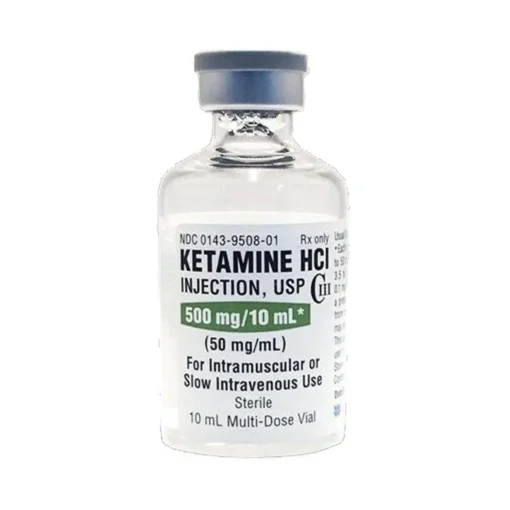
Ketamine therapy has become an important topic in modern healthcare discussions across Europe. Originally developed as an anesthetic medication, ketamine now plays a role in several medical settings, including anesthesia, pain management, and specialist-supervised treatment approaches for certain mental health conditions.
As awareness grows, many patients seek reliable information about ketamine therapy in Europe. Understanding how this treatment works, where it is used, and why professional supervision matters helps patients make informed healthcare decisions.
Ketamine is a prescription medication that healthcare professionals have used for decades in hospitals and surgical environments. Medical teams value ketamine because of its anesthetic and pain-relieving properties.
Today, ketamine continues to support patient care in several areas, including:
• Surgical anesthesia
• Emergency medicine
• Pain management programs
• Specialist-supervised mental health treatments
• Research involving treatment-resistant depression
Healthcare providers administer ketamine under controlled conditions designed to protect patient safety and treatment quality.
Strong Word: Trusted
Healthcare professionals rely on trusted treatment protocols to ensure patients receive appropriate care.
Emphasized Word: Safety
Safety remains one of the most important considerations in any ketamine treatment plan.
For additional information about medication safety and healthcare standards, patients can consult the World Health Organization:
https://www.who.int
Interest in ketamine therapy has grown because researchers continue to study its potential role in specific healthcare settings.
Traditional treatment approaches do not always provide the desired outcomes for every patient. As a result, healthcare professionals explore alternative therapies under strict medical supervision.
Research has focused on areas such as:
• Treatment-resistant depression
• Chronic pain management
• Mental health support programs
• Post-surgical pain control
Healthcare decisions should always involve qualified medical professionals who understand the patient’s health history and treatment needs.
The European Medicines Agency provides information regarding medicine regulation and pharmaceutical oversight throughout Europe:
https://www.ema.europa.eu
Ketamine therapy should never be viewed as a self-directed treatment option.
Professional supervision allows healthcare providers to:
• Assess patient suitability
• Monitor treatment response
• Evaluate medical history
• Manage side effects
• Adjust treatment plans when needed
This structured approach helps maintain high standards of patient care.
Strong Word: Professional
Professional oversight supports responsible healthcare practices and patient wellbeing.
Emphasized Word: Monitoring
Monitoring allows healthcare providers to evaluate patient progress throughout treatment.
Healthcare professionals continue to evaluate ketamine’s role in several treatment settings.
Potential areas of benefit include:
Ketamine remains an established medication within anesthesia practice. Healthcare teams use it during various procedures where anesthetic support is required.
Certain specialist clinics evaluate ketamine as part of structured pain management programs designed for specific patient populations.
Researchers continue to investigate ketamine’s role in specialist-supervised mental health care. Treatment approaches vary according to local regulations, clinical guidelines, and individual patient circumstances.
Patients should discuss any potential treatment options directly with qualified healthcare professionals.
Like all prescription medications, ketamine carries potential risks and side effects.
Common side effects reported in clinical settings include:
• Dizziness
• Nausea
• Temporary confusion
• Increased blood pressure
• Fatigue
• Changes in perception
Individual experiences differ depending on:
• Dosage
• Treatment setting
• Medical history
• Overall health condition
Healthcare professionals carefully evaluate these factors before recommending treatment.
Strong Word: Important
Understanding possible side effects forms an important part of informed healthcare decision-making.
Emphasized Word: Awareness
Patient awareness contributes to safer treatment experiences.
Healthcare regulations vary across European countries.
Different jurisdictions maintain specific requirements regarding:
• Prescription authorization
• Medical supervision
• Healthcare facility standards
• Medication administration
• Patient monitoring procedures
Patients should always follow local healthcare laws and seek guidance from licensed healthcare providers.
Reliable information about medicine regulation can also be found through the National Health Service:
https://www.nhs.uk
The internet contains a large amount of healthcare information. Not all sources maintain the same standards of accuracy.
Patients benefit from using:
• Government health agencies
• Licensed healthcare providers
• Medical organizations
• Peer-reviewed research
• Established healthcare institutions
Reliable information helps patients better understand treatment options and healthcare decisions.
Strong Word: Credible
Credible healthcare information supports informed patient choices.
Emphasized Word: Transparency
Transparency helps build trust between patients and healthcare providers.
Before considering any treatment involving ketamine, patients should discuss:
• Their medical history
• Existing medications
• Treatment goals
• Potential risks
• Expected monitoring procedures
• Alternative treatment options
Open communication helps create a more effective healthcare experience.
Ketamine therapy continues to attract attention across Europe because of its established medical uses and ongoing research in specialist healthcare settings.
Patients seeking information about ketamine therapy in Europe should focus on evidence-based medical guidance, professional supervision, and reputable healthcare sources. Responsible healthcare decisions depend on accurate information, qualified medical advice, and a clear understanding of treatment benefits and risks. Ketamine Therapy in Europe is an amazing thing if it’s done the right way
By staying informed and consulting licensed healthcare professionals, patients place themselves in a stronger position to make thoughtful healthcare decisions that support their wellbeing.
